

Master Your Week: The 20-Minute Review for Clear Goals
Transform your chaotic schedule into a clear roadmap for success with a simple, powerful weekly review. Invest just 20 minutes to gain perspective, adjust your course, and prepare for a productive week ahead.
Do you ever reach the end of a week feeling like you've been running on a treadmill, busy but not truly moving forward? Perhaps deadlines blurred into the next, important tasks slipped through the cracks, or your grand plans for personal growth gathered dust. This sensation of constant motion without clear direction is a common challenge in our demanding lives.
The solution isn't to work harder, but to work smarter – by pausing. A dedicated weekly review, a mere 20-minute ritual, can be the anchor that transforms your weeks from reactive chaos to intentional progress. It's the moment you step back from the daily grind to gain clarity, realign with your aspirations, and set a confident course for the days ahead.
Why a Weekly Review is Your Secret Weapon
Imagine navigating a ship without occasionally checking your compass or map. You might be sailing diligently, but are you heading toward your intended destination? A weekly review serves as that crucial check-in for your life. It provides a vital opportunity to:

- Gain Perspective: The week often flies by in a blur of tasks and commitments. A review allows you to see the bigger picture, identifying patterns, successes, and areas needing attention that daily urgency obscures.
- Course Correct: No plan survives first contact with reality. A weekly check-up helps you identify where you veered off course, allowing you to make small, timely adjustments before they become major deviations from your goals.
- Reduce Mental Clutter: By formally processing the past week and planning the next, you clear mental bandwidth. Lingering worries about forgotten tasks or unaddressed issues are contained and dealt with, freeing your mind for focused work.
- Strengthen Habits and Goals: Consistent review reinforces your commitment to long-term goals and daily habits. It’s where you celebrate small victories and learn from setbacks, making your pursuit of growth more resilient.
The Core Components of a 20-Minute Review
The beauty of the 20-minute review lies in its structured simplicity. It's not about an exhaustive audit, but a focused triage that delivers maximum impact in minimal time. This ritual breaks down into three essential phases:
- Reflect on the Past Week: Acknowledge what happened, both good and bad.
- Evaluate Goals and Habits: Check your progress against your bigger aspirations.
- Chart Your Course for the Next Seven Days: Plan your priorities with intention.
Let’s dive into each phase, ensuring you can implement this practice effectively starting this week.
Step 1: Reflect on the Week That Was (5-7 Minutes)
Begin by looking backward. This isn't about dwelling on mistakes, but extracting valuable insights. Grab your journal, a notebook, or open your Goals Journal app and ask yourself:
- What went well this week? Celebrate your wins, no matter how small. Did you complete a challenging project, stick to a new habit, or have a meaningful conversation? Acknowledging successes builds momentum and reinforces positive actions. For instance, perhaps you successfully implemented a new morning routine for three days, or finally cleared out that overflowing email inbox.
- What didn't go as planned? Be honest, but not judgmental. Did a deadline get missed? Did you fall off a habit streak? Identify the specific circumstances without assigning blame. Maybe you intended to exercise five times but only managed two, or a key meeting ran over, derailing your afternoon.
- What did I learn? This is the most crucial part of reflection. What insights can you glean from both successes and challenges? Did you learn you need more buffer time for certain tasks? That a particular meeting drains your energy? Or that accountability helps you stick to your goals? This learning transforms busy days into powerful opportunities for growth. For more on this, explore how to use reflection to turn busy days into learning.
The goal here is not to solve everything, but to simply observe and understand. This initial scan helps you gather the data you need for the next step.
Step 2: Evaluate Your Goals and Habits (7-8 Minutes)
With the past week in view, it's time to connect it to your larger vision. This phase ensures your daily actions are still aligned with your long-term aspirations. Consult your goals list and habit tracker:

- How did my habits perform? Review your habit streaks. Did you consistently hit your hydration goal, meditate daily, or read for 15 minutes? Note where you excelled and where consistency wavered. Don't just look at the numbers; consider the 'why' behind any deviations. If your journaling habit broke, was it due to a late night, or a new commitment?
- Are my actions aligning with my bigger goals? Look at your major quarterly or yearly goals. Did your efforts this week contribute meaningfully to them? For example, if your goal is to launch a personal project, did you dedicate specific time to it? If not, what prevented it? This is where you connect the dots between your daily grind and your ultimate ambitions. Visualizing this progress can be incredibly motivating; consider making progress visible to keep track.
- What adjustments are needed? Based on your evaluation, what small tweaks can you make? Perhaps you need to adjust a habit's frequency, re-prioritize a project, or delegate a task that's consuming too much time. These aren't radical overhauls, but practical, immediate shifts.
This step ensures your compass is still pointing in the right direction and that your efforts are efficient rather than just busy.
Step 3: Chart Your Course for the Next Seven Days (5-7 Minutes)
Now, with clarity from your reflection and evaluation, you can plan the upcoming week with precision. This is where you proactively design your success, rather than letting it happen to you.
- Identify Your Top 1-3 Priorities: What are the absolute most crucial tasks or outcomes you need to achieve next week that move your most important goals forward? These aren't just 'to-dos,' but high-impact activities. For instance, 'finish Q3 report draft' or 'prepare presentation for client X' or 'devote 2 hours to personal project Y'.
- Schedule Important Tasks: Block out specific time slots for these priorities in your calendar. Don't just list them; commit to when and where they will happen. Also, consider scheduling time for your consistent habits.
- Anticipate Challenges: Briefly consider what might derail your plans next week. Are there known meetings, appointments, or potential interruptions? How can you proactively mitigate them? If Tuesday is packed with meetings, perhaps you shift a deep work session to Monday morning.
- Block Time for Self-Care: Don't forget to schedule time for rest, exercise, and personal enjoyment. These aren't luxuries; they're essential for sustained productivity. A balanced week is a sustainable week. For a more comprehensive approach to setting up your week, refer to the beginner's guide to intentional weekly planning.
By the end of this step, you should have a clear, actionable roadmap for the week ahead, reducing uncertainty and boosting your confidence.
Making It Stick: Your Weekly Review Ritual
Like any powerful habit, consistency is key. To ensure your 20-minute weekly review becomes a non-negotiable part of your routine:
- Choose a Consistent Time and Day: Find a slot that works best for you. Many prefer Friday afternoon to close out the week and transition into the weekend, or Sunday evening to prepare for Monday. The exact timing matters less than its regularity.
- Create a Dedicated Space: Go to a quiet corner, a local coffee shop, or simply clear your desk. Minimize distractions. This physical separation helps signal to your brain that it's 'review time.'
- Use a Consistent Checklist or Template: Having a simple set of prompts or questions ensures you hit all the critical points without having to reinvent the wheel each time. This reduces the cognitive load and streamlines the process, making it easier to start. Building systems like this helps reduce decision fatigue.
- Protect the Time: Treat this 20-minute block as sacred. Inform family or colleagues you'll be unavailable. Close unnecessary tabs on your computer. This small investment pays dividends in focus and direction for the entire week.
Your Gateway to Intentional Living
A 20-minute weekly review isn't just about ticking boxes; it's about reclaiming control of your time and trajectory. It's the moment you consciously choose to be the architect of your life, rather than merely a passenger. By regularly pausing to reflect, evaluate, and plan, you transform vague aspirations into tangible progress.
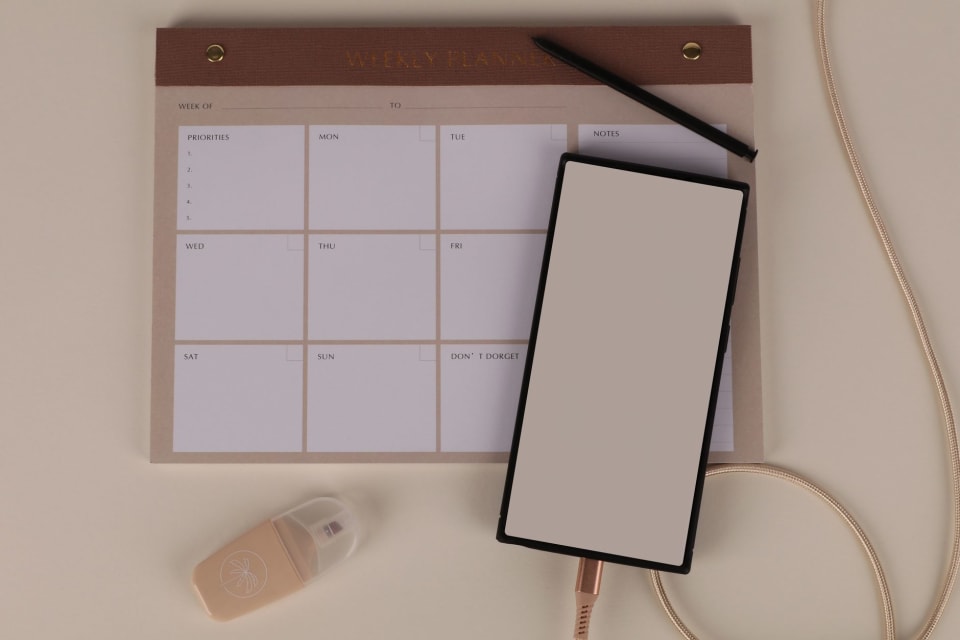
Embrace this simple yet profound ritual, and watch as your weeks become more intentional, productive, and deeply satisfying. Ready to bring clarity to your goals and habits? Start your free Goals Journal account today and integrate this powerful review into your routine.
Turn ideas into daily progress
Goals Journal helps you plan your week, track habits, and reflect every day — so your goals stop living only in your head.
Start free today