

Effortless Wellness: Integrate Health into Your Hectic Life
Discover practical, simple strategies to weave healthy eating and consistent movement into even the most demanding schedules. Learn how small, intentional choices can lead to significant wellness improvements without overwhelming your calendar.
In our modern, fast-paced world, finding a rhythm that accommodates both professional demands and personal well-being often feels like an impossible juggling act. The dream of regular workouts and perfectly balanced meals often clashes with back-to-back meetings, urgent deadlines, and a seemingly endless to-do list. Many of us fall into the trap of believing that true health requires a complete lifestyle overhaul – a radical shift that feels out of reach when every minute is accounted for. This perception leads to a cycle of starting strong, burning out, and then feeling guilty for not being able to maintain an unsustainable pace.
However, the secret to thriving amidst a busy schedule isn't about adding more to your plate; it's about skillfully integrating health into the life you already have. It’s about making intentional, smaller adjustments that compound over time, creating a robust foundation for lasting wellness. This article will guide you through actionable strategies to weave nourishing habits and essential movement into your daily fabric, transforming your relationship with health from a chore to an effortless flow.
Mindset Shift: From Overhaul to Integration
The first critical step is to reframe your approach to health. Instead of viewing diet and exercise as separate, daunting tasks to be squeezed in, consider them fundamental components of your overall energy and productivity. When you see wellness as an investment in your capacity to handle your busy life, rather than another obligation, its priority naturally elevates. Think about it: when you eat well and move your body, you have more sustained energy, sharper focus, and better resilience to stress. These aren't luxuries; they're necessities for anyone navigating a demanding calendar.

Embrace the philosophy that 'something is always better than nothing.' A five-minute walk is better than no walk. A handful of nuts is better than skipping a meal entirely. These small, consistent efforts build momentum and lay the groundwork for more significant changes when your schedule allows. This approach also helps to mitigate the 'all-or-nothing' trap, which often leads to abandonment when perfection isn't achieved.
Smart Eating Strategies for the Time-Strapped
Nourishing your body shouldn't feel like a culinary marathon. With a little planning, you can ensure you're making smart choices even when time is tight. The key is preparation and simplifying decisions.
- Strategic Meal Prepping: Dedicate an hour or two on a less busy day (like a Sunday afternoon) to prepare components for the week. This could involve chopping vegetables, cooking a batch of grains, or grilling chicken breasts. Having these building blocks ready significantly reduces decision fatigue and cooking time during busy weekdays.
- Healthy Grab-and-Go Snacks: Keep a stash of nutritious snacks readily available. Think fruits, nuts, Greek yogurt, or pre-portioned veggie sticks with hummus. These prevent you from reaching for less healthy, processed options when hunger strikes unexpectedly.
- Hydration as a Priority: Often overlooked, staying hydrated is crucial for energy levels and cognitive function. Keep a water bottle within reach and refill it consistently throughout the day. Set an alarm if you need a reminder to sip regularly.
- Simplify Dinners: Opt for quick, balanced meals that require minimal effort. One-pan roasts, simple salads with pre-cooked protein, or stir-fries with frozen vegetables can be lifesavers. Focus on nutrient density rather than complex recipes.
Movement Made Accessible: Fitting Fitness In
Exercise doesn't have to mean an hour at the gym. For those with packed schedules, integrating short bursts of activity throughout the day can be incredibly effective. The goal is consistent movement, not necessarily intense, prolonged workouts.
- Micro-Workouts: Can you squeeze in 10 minutes of bodyweight exercises (squats, push-ups, lunges) in the morning or during a lunch break? These short bursts add up.
- Active Commutes: If possible, walk, bike, or take public transport and get off a stop early. Every step counts.
- Walk and Talk: Transform phone calls or informal meetings into walking meetings. It's a great way to break up long periods of sitting and get some fresh air.
- Find Your Joyful Movement: Not every activity needs to be a structured 'workout.' Dance in your living room, play with your kids or pets, or take a brisk walk in nature. The more you enjoy it, the more likely you are to stick with it. Discovering activities that genuinely resonate with you can transform your relationship with exercise, making it a sustainable part of your routine. For more ideas on finding enjoyable ways to move, explore Find Your Movement: Exercise Beyond the Gym Walls.
The Power of Planning: Your Weekly Wellness Blueprint
Attempting to integrate health habits without a plan is like navigating without a map. Intentional weekly planning is the compass that guides your wellness journey, ensuring that health isn't an afterthought but a prioritized component of your week.

- Schedule Your Health: Just as you schedule important meetings, block out time for your workouts and meal prep. Treat these appointments with yourself as non-negotiable. Even 30-minute blocks can make a significant difference.
- Review and Adapt: At the start of each week, take a few moments to review your upcoming schedule. Identify potential challenges to your health goals (e.g., late-night meetings, travel) and proactively plan how you'll navigate them. This might mean packing extra snacks or opting for a home workout instead of the gym. For guidance on structuring your week, refer to The beginner's guide to intentional weekly planning.
- Meal Planning for the Week: Decide on your main meals for the week, making a grocery list based on those choices. This reduces impulse buys and ensures you have the ingredients on hand to prepare healthy food.
Strategic Time Management for Health
Effective time management isn't just about optimizing work tasks; it's about creating space for what truly matters, including your health. This requires a proactive approach to your calendar.
- Time Blocking for Wellness: Actively block out specific times in your day or week for exercise, meal preparation, or even mindful eating breaks. This technique, often used for focused work, can be equally powerful for personal well-being. For detailed strategies on protecting your focus, consider reading Time boxing: the simplest way to protect your focus.
- Batching Similar Tasks: Group similar health-related tasks together. For instance, combine your grocery shopping with another errand, or prepare several days' worth of snacks at once. This minimizes transition time and conserves mental energy.
- Learning to Say No: Protect your scheduled wellness time by politely declining non-essential commitments that would infringe upon it. Your health is a priority, and it's okay to set boundaries.
Cultivating Consistent Habits
Consistency is the bedrock of long-term wellness. It's not about being perfect, but about showing up regularly, even when circumstances are less than ideal. This is where small, repeatable actions shine.
- Start Small: Instead of aiming for a full hour workout, commit to 15 minutes. Once that feels easy, you can gradually increase. The goal is to make the habit so small it's almost impossible to say no to.
- Habit Stacking: Anchor a new healthy habit to an existing one. For example, 'After I brew my coffee, I will drink a glass of water.' Or 'Before I open my laptop, I will do 10 squats.' This leverages established routines to build new ones. You can find more insights on building powerful routines by exploring Atomic habits for goal-oriented professionals.
- Track Your Progress: Use a journal or an app to track your healthy habits. Seeing your progress visually can be a powerful motivator and helps you identify patterns. Don't aim for perfection, but for consistency.
The Role of Reflection and Adjustment
Life is dynamic, and your wellness strategy needs to be too. What works one week might not work the next, especially with fluctuating schedules and demands. Regular reflection allows you to fine-tune your approach.
- Weekly Check-ins: Set aside 10-15 minutes at the end of each week to review how your health habits went. What worked well? What challenges did you face? What could you adjust for the upcoming week?
- Be Kind to Yourself: There will be days or weeks where your plans derail. Instead of dwelling on setbacks, view them as data points. Learn from them and adjust without judgment. The goal isn't perfection, but continuous improvement. Embracing this learning mindset helps turn even the busiest days into valuable lessons, as discussed in Using reflection to turn busy days into learning.
- Experiment and Iterate: Your wellness journey is personal. Try different meal prep strategies, various types of movement, or different planning methods until you find what truly fits your unique schedule and preferences.
Your Next Step: Design Your Integrated Wellness
Balancing diet, exercise, and a busy schedule isn't about finding more hours in the day; it's about making the hours you have work smarter for your well-being. By shifting your mindset, simplifying your choices, planning proactively, and embracing consistent small actions, you can build a sustainable foundation for health that energizes, rather than exhausts, you.
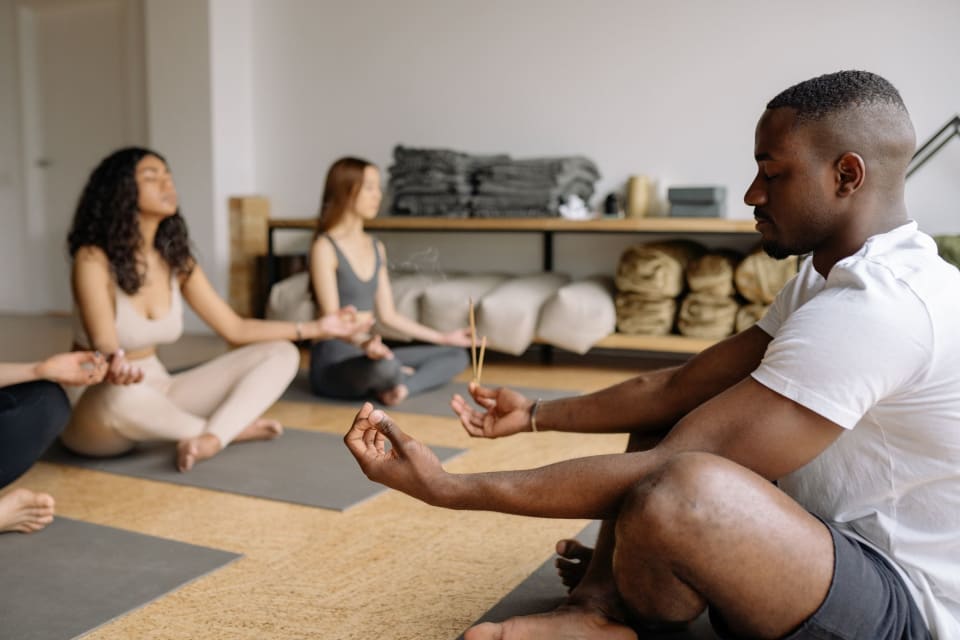
Start small this week. Pick one eating strategy and one movement habit to integrate. Block out the time in your calendar and commit to it. Over time, these small, consistent efforts will transform your relationship with health, allowing you to not just survive your demanding schedule, but to truly thrive within it. To begin tracking your progress and designing your integrated wellness plan, start your free Goals Journal account today.
Turn ideas into daily progress
Goals Journal helps you plan your week, track habits, and reflect every day — so your goals stop living only in your head.
Start free today